
Personalized Marketing: Strategies For Better Engagement

Personalized marketing is how businesses tailor messaging, content, and experiences to each specific user. This method helps maximize relevance, increase conversions, and enhance customer lifetime value. This article analyzes the concept, benefits, role of data, AI applications, and key trends. You will have a practical roadmap for effective implementation across multiple channels.
A brief overview of personalized marketing
To create relevant experiences, businesses need to understand the context, needs, and motivations of each customer. By combining data and technology, messages are tailored to the time, channel, and behavior. The goal is to increase relevance and reduce friction in the customer journey.
The concept of personalization
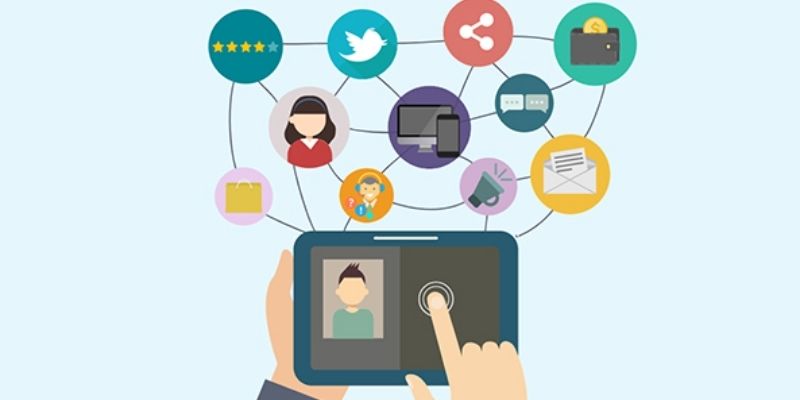
personalized marketing is a strategy that uses data to deliver personalized content, offers, and experiences. Businesses rely on micro-segmentation, customer profiles, and real-time context. The level can range from simple name insertion to multi-channel experience automation.
Benefits for businesses
Businesses increase email open rates, CTR, time on site, and conversion rates. Profitability improves through reduced wasted costs and increased revenue per session. Customer lifetimes are extended thanks to relevant and consistent experiences.
The role of data
Data is the foundation of personalized marketing from behavioral and demographic data to transaction data, everything helps build a 360° profile. Quality, timeliness, and privacy compliance determine the effectiveness of the implementation.
Applying AI in personalized marketing
AI helps analyze big data, predict intent, and create relevant content at scale. Machine learning models suggest products, organize content, and choose the optimal time to send them. Platforms such as X Blueware supports data consolidation and triggers contextual actions.

Suggestions for personalized marketing products
The recommendation algorithm is based on viewing history, shopping cart, and similar products. Dynamic suggestions appear on the homepage, product details page, and cart reminder emails. This helps increase order value and broaden product discovery. Additionally, recommendations tailored to specific needs save users time searching for products. When the shopping experience becomes more convenient, the likelihood of customer return increases.
Analyzing customer behavior
AI detects behavioral patterns to predict likelihood of purchase, abandonment, or upgrade. Businesses activate campaigns based on real-time signals to increase relevance. As a result, personalized marketing operates accurately and continuously learns. Understanding behavior also helps businesses build more relevant messages, creating marketing campaigns that closely match customer needs.
Optimizing the user experience
AI personalizes layouts, banners, messaging, and shopping sequence. The system selects the most effective version for each niche segment. As a result, personalized marketing delivers a more seamless and compelling experience. Users will feel that interacting with the brand becomes easier and more natural. This is a crucial factor in improving conversion rates and customer satisfaction.
The current trend of personalization in marketing
Trends are shifting towards privacy, first-party data, and automation. Businesses need transparency, clear permission requests, and user control. Strategies are also moving towards measuring lifecycle value.

Personalized content
Websites display messages tailored to traffic sources and interaction history. Blogs, landing pages, and chatbots adapt to user journeys and goals. A topic categorization system caters to individual interests, allowing users to quickly find relevant content. This personalized experience also increases time spent on the site and engagement levels.
Personalized email marketing
Emails utilize event-triggered triggers, dynamic content, and optimal sending times. Subject lines, images, and offers are customized for each profile. When implemented correctly, personalized marketing emails see a significant increase in open rates and conversions. Additionally, segmenting email lists allows businesses to send messages tailored to specific customer groups. This creates the feeling that the content is specifically designed for the recipient.
Personalized advertising
Dynamic ads optimize ad formats, placement, and frequency based on user profiles. Businesses leverage first-party data for more precise targeting. This personalization in marketing helps reduce CPA and increase ROAS. Furthermore, ad content is tailored to user behavior, making the message more relevant. This results in highly effective advertising campaigns at an optimized cost.
Conclude
Personalized marketing growth is leveraged when built on clean data, appropriate AI, and privacy compliance. Businesses should start small, measure clearly, and scale based on impact. By combining flexible tools and a knowledgeable team, you will optimize effective multi-channel experiences while elevating your brand’s long-term position with Lunax Marketing.