Marketing Channels: Effective Ways To Reach Your Customers
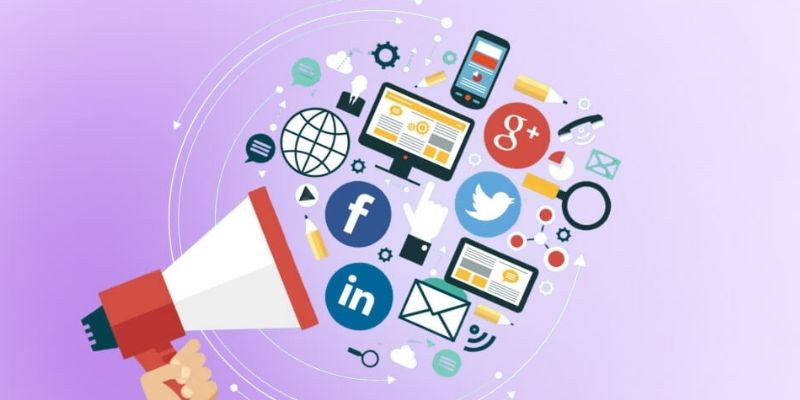
Marketing channel is the foundation for businesses to reach, persuade, and retain customers sustainably. This article systematizes popular channel groups, prominent trends, and a selection framework based on objectives. You will know which channels to invest in with an optimal budget and a clear measurement roadmap. Comparing advantages and disadvantages will help you make quick and accurate decisions.
Popular marketing channels today
During the growth phase, businesses should utilize a multi-channel approach to expand reach and optimize the cost per conversion. Each marketing channel plays a role in the awareness, consideration, and conversion journey. Understanding channel specifics helps you build a consistent content map and distribution schedule.
Social media marketing
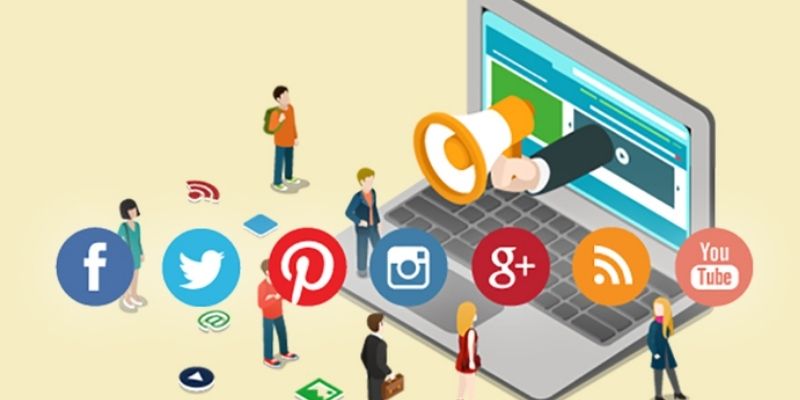
Social media platforms achieve rapid reach thanks to emotionally engaging content and their ability to spread. You can combine entertainment, education, and community content to nurture demand. Paid advertising helps accelerate reach and conversion goals. It also serves as a launching pad for other platforms marketing channel. Other things like SEO and email.
SEO and content marketing
SEO delivers sustainable traffic and high-quality customers. Topic-based content, E-E-A-T, and intent help increase rankings and conversion rates. When combined with long-term content, this is a marketing communication channel that reduces the cost per lead over time. Don’t forget to optimize for technical aspects, speed, and mobile experience.
Email marketing channel
Email remains your proprietary channel, giving you control over data and costs. Behavioral email sequences allow for personalized messaging and increased open rates. Combining recurring newsletters, automation, and seasonal campaigns will optimize recurring revenue. Focus on segmentation and A/B testing of subject lines to improve performance.
Trends in marketing communication channels this year
Changes in cookies, AI generation, and content consumption behavior are reshaping channel strategies. Businesses need to measure using a multi-touch model to understand the contribution of each element. Marketing channel refer to the case study and implementation methodology at X Blueware To shorten the learning curve.
Video marketing
Video reigns supreme due to its ability to deliver information quickly and emotionally. Live broadcasts, webinars, and themed series effectively build trust. Focus on the first 3 seconds and a clear narrative framework to keep viewers engaged. Recycle video into blogs, emails, and short posts to maximize the content’s lifecycle.
Influencer marketing
Influencer marketing opens up social credibility and niche audiences. Prioritize micro or nano-level influencers to optimize costs and engagement rates. Contracts should include KPIs based on views, clicks, and revenue to ensure effectiveness. Marketing channel reusing KOL content for paid advertising amplifies results.
Short-form content
Short content speeds up consumption and expands reach. Establish a consistent format such as quick tips, checklists, or “Explain Like I’m 5”. Regular posting and clear hooks help algorithms prioritize display. Connect short content to conversion points such as bio links, mini-sites, or chatbots.
Podcasts and audio content
Podcasts are becoming an effective channel due to their ability to reach users while they are on the go or working. Content in the form of conversations, expert interviews, or experience sharing helps build brand credibility. Businesses can distribute podcasts on Spotify, Apple Podcasts, or YouTube. When combined with blogs and social media, audio content helps expand reach and increase brand awareness.
How to choose the right marketing communication channel
Channel selection should stem from customer profile, goals, and resources. Identify the role of each channel marketing channel. In the funnel, allocate frequency and budget accordingly. Prioritize channels with owned data, then expand to leased channels to maximize coverage.
Based on the target customer
Create a customer profile based on age, needs, motivations, and usage context. Identify the platforms they spend the most time on and prioritize deployment accordingly. Marketing channel messages by awareness level to avoid wasting frequency. Gather qualitative feedback to refine content and timing of touchpoints.
Based on budget
Allocate budget using a 70/20/10 ratio for Always-on, testing, and breakthrough ideas. Calculate CPA and LTV to determine the optimal investment level based on the customer lifecycle. Prioritize channels with low variable costs and good scalability. Reserve 10% for A/B testing to maintain growth momentum.
Based on campaign objectives
If the goal is awareness, focus on reach, video, and visually rich formats. If the goal is conversion, prioritize SEO, email, and dynamic remarketing. Nurturing campaigns require educational content and behavioral automation sequences. Always link KPIs to business metrics to avoid optimizing for the wrong goals.
Conclude
The right selection and combination marketing channel. This helps reduce costs, increase revenue, and optimize the customer experience. Start with data, clear goals, and a multi-touch measurement roadmap. Combine the long-term thinking of SEO with the power of short-form content and video.