
Top 4 Common Marketing Mistakes Small Businesses Make 2026
Marketing mistakes these errors often don’t show up immediately but leave long-term consequences. They derail marketing, burn through budgets, and erode competitive advantage over time. This article analyzes common error groups, their specific repercussions, and practical ways to avoid them. You will have a clear action plan to optimize sustainable marketing effectiveness X Blueware.
Common marketing mistakes to watch out for
Marketing mistakes often stem from subjective judgments and a lack of data. When campaigns are based on guesswork, their effectiveness is difficult to maintain and scale up. Focusing on fixing the root causes saves costs and ensures sustainable growth.
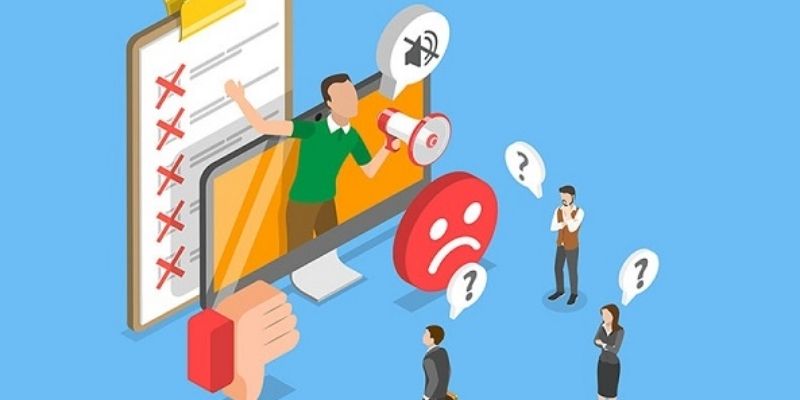
The target customer is not clearly defined
Many teams select customers based on intuition, not data verification. Vague customer profiles lead to diluted messaging, incorrect distribution channels, and high costs. Quantify your customer profile using behavioral, demographic, and needs data. This will ensure your messaging aligns with insights and significantly increase conversion rates.
Lack of a long-term marketing strategy
Running disjointed campaigns leaves the brand lacking a unified story. Market reception is poor, and effectiveness is short-lived. Create a 12-month goal map, prioritizing resources quarterly. This framework helps reduce because they follow fleeting trends.
Not investing in content
Weak content diminishes credibility and persuasiveness. Customers struggle to see the differentiating value, even with a great product or a large budget. Investing in useful, original, and in-depth content creates natural momentum. Quality content also extends the campaign lifecycle and reduces conversion costs.
A common marketing mistake is failing to measure and analyze marketing data
Many businesses launch campaigns but fail to track performance metrics. Without data, teams struggle to know which content is performing well and which channels are wasting budget. This is one of the mistakes that makes strategies difficult to improve over time.
The impact of marketing mistakes on businesses
Each marketing mistakes these errors all create opportunity costs that are difficult to quantify immediately. When repeated, they create strategic and operational gaps. Businesses need to measure the impact across cash flow, brand, and growth rate to prioritize corrective actions.

Waste of marketing budget
Budgets often fall into the category of unprofitable channels without clear criteria. A lack of standardized testing leads businesses to expand based on noisy data. Establish stop-loss levels and ROAS standards for each channel. This will curb marketing missteps and improve capital efficiency.
Reduced conversion efficiency
Incorrect messaging increases touchpoints but doesn’t lead to customer action. A disjointed experience between ads, landing pages, and customer care causes the funnel to fall. Standardize the customer journey with a consistent core message. Continuously A/B test to find variations that increase CVR for each segment.
Loss of competitive opportunity
Competitors will fill the gap when you neglect valuable resources. Brand engagement declines, and breakthroughs become difficult at crucial moments. Monitor share of voice, search market share, and social engagement. Timely adjustments will help you avoid paying a heavy price for these mistakes marketing mistakes lengthen.
How to avoid common marketing mistakes
To prevent mistakes, make decisions based on data and processes. Every campaign needs measurable goals, clear hypotheses, and a test plan. Results must provide feedback on the strategy to accumulate organizational knowledge.
Develop a clear strategy
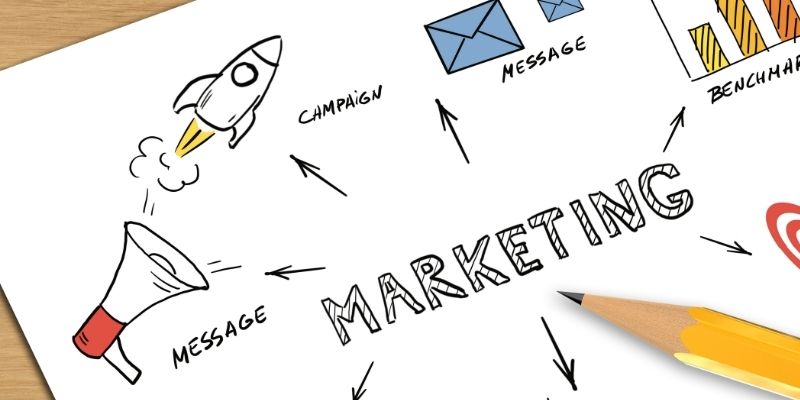
Strategy is the guiding principle for all activities and budgets. Define goals using the SMART model and a channel prioritization map. Map out the customer journey to ensure consistent messaging at every touchpoint. Quarterly planning helps businesses reduce risk and avoid potential problems marketing mistakes repeat.
Customer data analysis
Gather data from CRM, web, social media, and sales channels to understand behavior. Segment by lifecycle value, purchase frequency, and decision-making motivations. Use intuitive dashboards to enable the team to make quick and accurate decisions. The right data optimizes messaging, budget, and improves gross profit.
Optimize campaigns regularly
Establish weekly and funnel-stage review cycles. Prioritize A/B testing of major influencing factors such as value proposition, CTAs, and price. Standardize stop-loss rules, budget increases, and account reallocation. This process slows down the chain marketing mistakes and improve sustainable performance.
Conclude
When businesses identify these issues early marketing mistakes. Adjustments will help optimize costs and improve business results. Always monitor data, listen to customers, and continuously experiment to find the right approach. When a marketing strategy is built on the right track, the brand will grow sustainably and create a competitive advantage in the market.