
Marketing Mix Explained: The 4Ps for Business Success 2026
Marketing mix strategic framework helps businesses optimize product, price, distribution channels, and communication. This approach allows you to see the big picture of the market, identify differentiating opportunities, and allocate resources in a prioritized manner. This article analyzes the origins of the 4Ps, their modern role, evaluation criteria, and provides practical application guidance for various growth stages.
What does the term “marketing mix” mean?
In a multi-channel competitive environment, managers need a framework to synchronize decisions from product to communications. The goal is to create a consistent value proposition at every touchpoint. When operational elements are in harmony, cost efficiency increases and risk decreases.
The concept of marketing mix
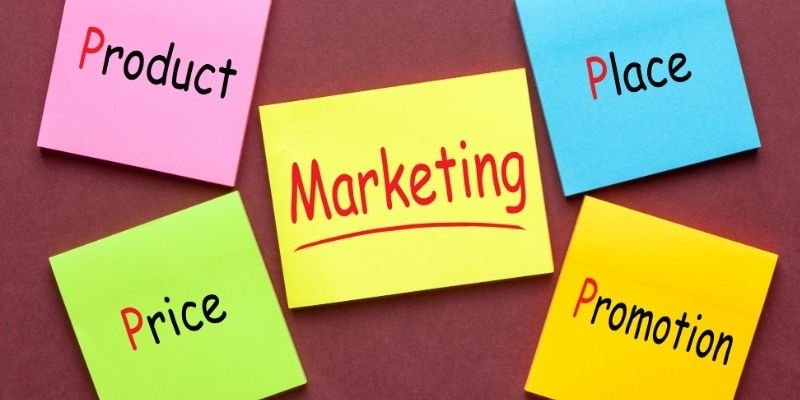
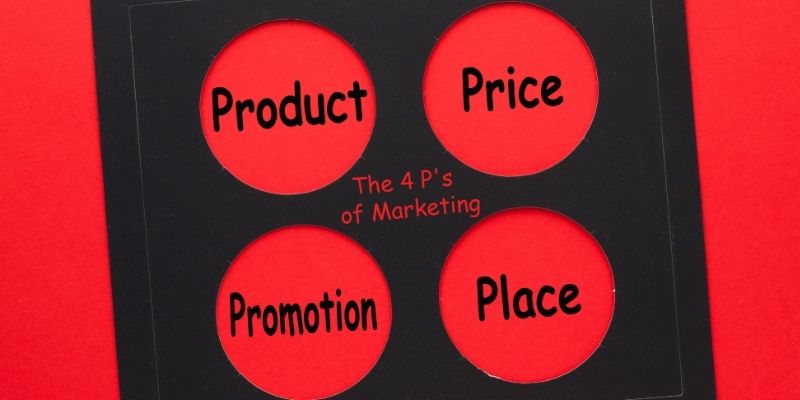
This is a set of strategic decisions regarding Product, Price, Place, and Promotion. These four elements are designed to complement each other, maximizing perceived customer value. Businesses tailor each P to their segment, objectives, and competitive landscape. The right approach ensures the message is relevant, delivered to the right customer, at the right time.
History of the 4P model
Marketing mix introduced by E. Jerome McCarthy in the 1960s, the 4Ps are based on Philip Kotler’s modern marketing principles. Over time, the 4Ps have expanded to 7Ps in service, but the core 4Ps remain popular due to their simplicity and ease of implementation. Each decade, the “Ps” are updated to reflect digital behavior and real-time data. The key is to flexibly adapt to the industry and product lifecycle.
Role in marketing
A solid strategy begins with aligning the brand plan with marketing mix. This sets the stage for customer research, positioning, content development, and budget allocation. The 4Ps also serve as a measurement framework, helping teams accurately interpret data and continuously optimize. As a result, businesses avoid fragmented and wasteful efforts.
The 4P model in marketing, specifically
During implementation, you need to put the customer at the center and continuously test assumptions. Marketing mix effectiveness accurately reflects buying motivations, barriers to entry, and expectations of value. To shorten the learning curve and refer to a practical framework, you can check out the resources at X Blueware.

Product
A product is the solution to a clear pain point, described by tangible and intangible benefits. Define your core value proposition, differentiating features, social proof, and user journey. Integrating the Product into your 4P marketing strategy helps you unify your messaging, packaging, after-sales service, and improvement roadmap. Don’t forget to measure performance using retention rates, NPS, and frequency of use.
Price
Pricing reflects perceived value, brand positioning, and competitive strategy. You can choose to anchor pricing based on cost, competitor, value, or a dynamic model. Design clear pricing tiers, limited offers, and transparent payment terms. Conduct A/B testing and monitor profit margins, CAC, and LTV to make informed decisions.
Place and Promotion
Place refers to how you deliver your product or service to the customer in the right place, at the right time, with a consistent experience. Promotion is the system of messages and channels designed to activate awareness and conversion. Combining these two elements in marketing mix. This helps optimize the journey from consideration to purchase and referral. Data is used to allocate resources across owned, paid, and viral channels, avoiding duplication and waste.
Applying the 4P marketing strategy in businesses
In practice, start with clear quarterly business goals. Then, map those goals to the corresponding 4P metrics for transparent measurement. Finally, establish a continuous optimization loop based on data and customer feedback.
Product optimization
Gather insights through interviews, surveys, and user behavior analysis. Prioritize making feature changes that create a big impact and are easy to implement first. Connect the product team with the growth team to synchronize messaging. Marketing mix create a transparent improvement roadmap so customers can see that you are being listened to and committed.
Develop a pricing strategy
You should build a value-based pricing framework with clear tiered packages and add-ons. Define barriers to conversion and use targeted promotions, avoiding teaching customers to wait for discounts. For B2B industries, try a results-based pricing model to increase persuasiveness. Price adjustments need to be accompanied by a message, as price is a positioning signal.
Developing distribution channels
Evaluate existing channels using metrics such as traffic, conversion rates, and cost per order. Test new channels with small pilot programs, clear timeframes, and specific stop-loss criteria. Strengthen channels through partnerships, agency programs, and service SLAs. Focus on consistent online and offline experiences to maintain trust.
Conclude
Start with the business objective, then map it to marketing mix with specific metrics for each P. When you need a systematic reference source, you can turn to Lunax Marketing to supplement your implementation framework and support tools. Flexible thinking and controlled experimentation will help you move quickly and safely.